The Environmental Impact of Runoff During Pressure Cleaning
Pressure cleaning removes grime from driveways, roofs and outdoor surfaces, but the dirty water needs careful management. Runoff can carry oil, detergents, paint particles and sediment into stormwater drains, affecting waterways and aquatic habitats. In Bundaberg, protecting local drainage systems helps protect the Burnett River, nearby creeks and coastal waters.
Why Pressure Cleaning Runoff Matters
Stormwater drains generally carry water to waterways without sewage treatment. Allowing pressure cleaning wastewater to flow into a roadside gutter can therefore move contaminants beyond the property rather than safely dispose of them.
Even cleaning with water alone can produce polluted runoff. The environmental risk depends on what is removed from the surface, not simply whether cleaning chemicals are used.
Common Contaminants and Their Effects
- Sediment: Soil and fine particles cloud water, reduce light penetration and can smother aquatic habitats.
- Oil and grease: Residues from driveways and machinery areas can harm aquatic organisms.
- Cleaning chemicals: Detergents, disinfectants and chlorine-based products can damage plants and aquatic life if released at harmful concentrations.
- Paint and surface debris: Flaking coatings may contain metals or other contaminants requiring specialised handling.
- Organic material: Leaves, algae and other debris can increase oxygen demand as they break down in waterways.
How to Reduce Runoff During Pressure Cleaning
Prepare the Site Before Starting
Sweep up loose dirt, collect leaves and remove absorbable oil residues before applying water. Identify nearby drains, check the direction of surface flow and protect garden beds. In Bundaberg, check the weather forecast and avoid cleaning immediately before heavy rain, which can overwhelm containment measures and wash residues into gutters.
Contain and Recover Wastewater
Use suitable drain protection, containment berms and wet-vacuum recovery equipment where needed. Drain covers alone are not a complete solution: collected water must still be recovered before it overflows or escapes elsewhere.
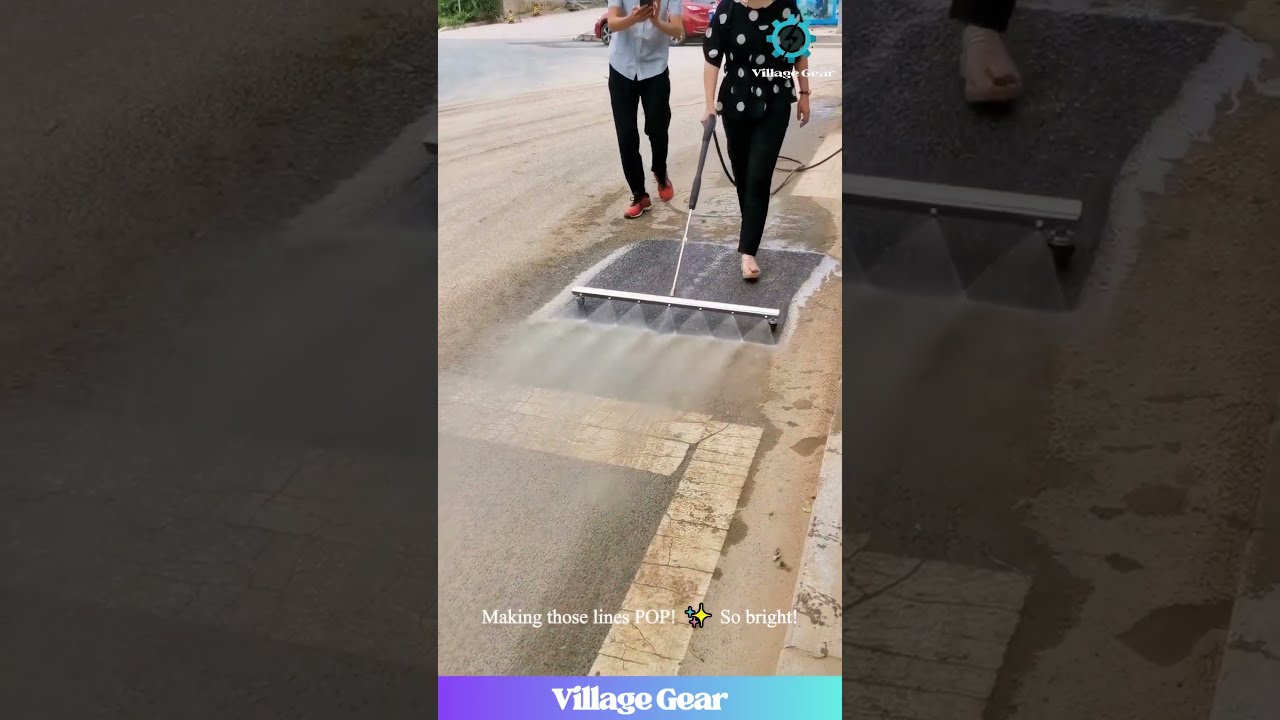
Do not assume wastewater can safely be directed onto a lawn. Chemicals, oils and excessive water can damage soil and vegetation or migrate off-site. Disposal should https://pressurecleaningbundaberg.com.au/driveway-cleaning/ suit the contaminants, site conditions and applicable requirements.

Choose Appropriate Cleaning Methods
Use the lowest effective pressure and water flow, with surface-cleaning equipment suited to the task. Apply chemicals only where necessary and follow label instructions, including dilution and environmental precautions. Products labelled biodegradable are not automatically safe to discharge into stormwater.
If a surface may contain asbestos or hazardous coatings, stop and arrange an appropriate assessment. High-pressure water cleaning must not be used on asbestos-containing materials.
Wastewater Disposal and Queensland Requirements
Queensland environmental laws place responsibilities on people and businesses to prevent environmental harm. Contaminated pressure cleaning water should not enter stormwater drains or waterways. The appropriate disposal method depends on the wastewater’s contents and volume.
Before discharging commercial cleaning wastewater to sewer, confirm requirements with Bundaberg Regional Council; trade waste approval may be necessary. Never pour collected wastewater into a sewer connection without checking. Some waste requires collection and disposal by an appropriately authorised contractor.
Choosing a Responsible Bundaberg Pressure Cleaning Service
Ask your cleaning provider how they identify drainage risks, contain runoff and dispose of recovered water. Request an explanation suited to your property, particularly for oily driveways, commercial premises or chemically treated surfaces.
A well-planned pressure cleaning service delivers more than a cleaner surface. It controls pollution at the source, protects landscaping and helps keep Bundaberg’s waterways healthier.
Bundaberg Pressure Cleaning
(07) 4158 8067